Deep within a side canyon of the Grand Canyon, turquoise waterfalls cascade into travertine pools that seem almost too vibrant to be real. Havasupai Falls Arizona ranks among the most spectacular destinations in the American Southwest—but getting there requires navigating one of the toughest permit lotteries in the United States, hiking a strenuous 10 miles, and embracing primitive camping for a mandatory four days.
Is it worth the effort? For many, absolutely. But this journey isn’t for everyone.
This guide provides everything you need to decide if Havasupai Falls fits your plans—or if equally spectacular Grand Canyon alternatives might suit you better. As Grand Canyon tour operators, we’ve helped thousands explore the region. Here’s our honest assessment.
Jump to: Permits | Costs | Trail | Waterfalls | Best Time | Alternatives
What Makes Havasupai Falls Special
Imagine standing before a 100-foot waterfall where turquoise water tumbles into pools so brilliantly blue-green they look impossible. This is Havasu Falls, the crown jewel of five spectacular waterfalls along Havasu Creek on the Havasupai Indian Reservation.
Havasupai’s distinctive turquoise water color is caused by high concentrations of calcium carbonate dissolved from limestone aquifers deep underground. As sunlight filters through these mineral-rich waters, they create an otherworldly blue-green hue that remains vivid year-round at a comfortable 70°F.
The Havasupai Tribe—”people of the blue-green water”—has called this canyon home for over 800 years. Today, only 639 tribal members remain. Tourism provides crucial revenue while sharing this extraordinary landscape with visitors. When you visit Havasupai, you’re a guest on sovereign tribal land with profound cultural significance.
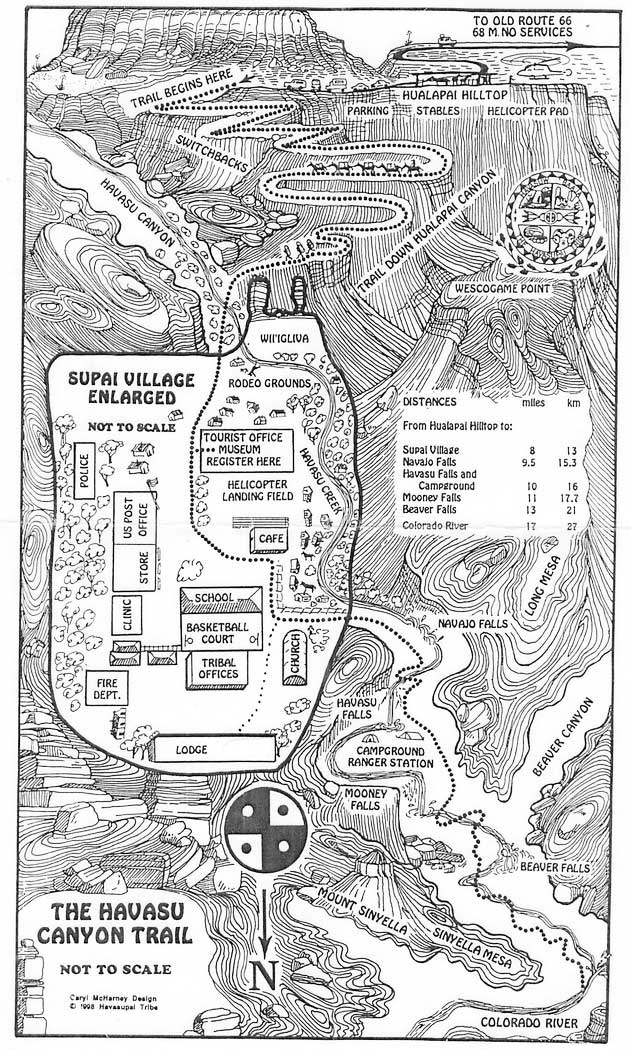
Beyond Havasu Falls, you’ll discover Navajo Falls (actually two new waterfalls created after a 2008 flash flood), the towering 200-foot Mooney Falls requiring chains and ladders to descend, and the cascading pools of Beaver Falls perfect for swimming.
This remote paradise demands commitment—permits vanish in minutes, the trail requires solid fitness, and you’ll spend three nights without cell service or modern amenities. Yet for those who navigate these challenges, Havasupai delivers an unforgettable experience.
Understanding Havasupai Permits: The Reservation System Explained
Securing a Havasupai Falls permit ranks among the most competitive outdoor reservations in America.
How the Presale Lottery System Works
2026 Lodge Reservations: Open June 1, 2025 at HavasupaiLodge.com. The 24 rooms disappear almost immediately.
2026 Camping Presale: Typically opens in December (exact dates not yet announced as of October 2025). Entry costs $20 per person (non-refundable). Lottery winners are selected randomly and notified in early January, then must pay the full $455 permit fee immediately.
General Public Sale on February 1st
Remaining permits after presale go on sale February 1 at 8:00 AM Arizona time via HavasupaiReservations.com. Tens of thousands attempt simultaneously. The website typically crashes. Permits vanish within minutes.
Watching the Daily Cancellation List
The transfer system offers a third path. Permit holders who can’t use their reservations submit them for transfer. The list updates daily at 8:00 AM Arizona time with a 10% transfer fee. Early-season dates and weekdays show better availability than summer weekends.
Reality Check: Most visitors need 2-12 months of attempts before securing permits. Having a backup plan ensures you still experience Grand Canyon’s magic. Consider guided South Rim tours that offer incredible views without permit requirements.
Mandatory Requirements
- Duration: Four days, three nights only—no day hiking permitted
- Check-in: Trip leader must check in at Grand Canyon Caverns Inn (Mile Marker 115, Route 66) within 72 hours before arrival. Missing check-in cancels your reservation with no refund
- Non-refundable: Permits cannot be cancelled for refund
- Group size: Maximum 12 people per reservation
How Much Does Havasupai Falls Cost? Complete Price Breakdown
| Cost Category | Amount | Notes |
|---|---|---|
| Permits (campground) | $455/person | 3 nights, non-refundable |
| Permits (lodge) | $2,277/room | Up to 4 people, 3 nights |
| Check-in lodging | $76-139/night | Seligman or Flagstaff |
| Gas (round trip) | $40-75 | Major cities |
| Food | $75-150/person | 4 days DIY meals |
| Helicopter (optional) | $150 each way | NOT guaranteed |
| Mules (optional) | $400 round trip | Gear only—you still hike |
Realistic Total Budgets
- Solo traveler: $1,030-$1,930
- Couple: $1,835-$3,040
- Family of 4 (campground): $3,820-$4,970
- Family of 4 (lodge): $3,877-$5,177
Lodge can be more economical for families since one $2,277 room sleeps 4 versus $1,820 for 4 camping permits.
These costs don’t include months of permit-hunting effort. If you’re seeking a guaranteed Grand Canyon waterfall experience, helicopter tours offer confirmed reservations and stunning aerial perspectives.
Getting to Havasupai Falls: Directions to Hualapai Hilltop
Driving Distances:
- Phoenix: 262 miles / 4-5 hours
- Las Vegas: 221 miles / 3.5-4 hours
- Flagstaff: 170 miles / 3-3.5 hours
All routes turn onto Indian Road 18 from Route 66. This 60-mile paved road takes 1.5-2 hours due to open range livestock. No gas stations, stores, or services exist on Indian Road 18. Fill up in Seligman or Kingman before turning off.
Five miles before Hualapai Hilltop, tribal officials verify reservations at a security checkpoint and may search for prohibited items (especially alcohol, which carries severe penalties).
For broader context on planning your South Rim visit, our comprehensive resources help you maximize your Grand Canyon experience.
The Havasupai Falls Hike: What to Expect on the 10-Mile Trail
The Havasupai Falls hike is 10 miles one-way from Hualapai Hilltop to the campground, making it 20 miles round trip. The trail descends 2,500 feet into the canyon. Most hikers complete the hike down in 4-5 hours and the hike out in 5-7 hours.
Trail Distance and Difficulty Level
Official difficulty: Moderate to challenging. Physical demands include:
- Carrying 30-40 pounds for 10 miles each way
- Descending 2,500 feet (stresses knees)
- Ascending 2,500 feet return (cardiovascularly demanding)
- Temperatures often exceeding 105°F (May-September)
- No water first 6 miles
You should comfortably hike 10+ miles with a loaded backpack before attempting Havasupai. If uncertain about fitness, consider guided hiking tours where support and shorter distances build experience.
Hiking Down: The First 1.5 Miles of Switchbacks
The trail begins with 1.5 miles of steep, rocky switchbacks descending 800 feet. After switchbacks, the trail levels into a sandy wash for several miles. At mile 8, you reach Supai Village (respect private property). The campground lies 2 miles beyond, with Havasu Falls greeting you just before camping areas.
Hiking Out: Prepare for 2,500 Feet of Elevation Gain
The return journey feels dramatically harder. Start before sunrise—ideally before 6:00 AM in summer. Carry minimum 3 liters water (one gallon recommended). Bring electrolyte replacement. Budget 6-7 hours. Trekking poles significantly reduce knee strain.
All Five Havasupai Waterfalls: From Navajo to Beaver Falls
Why Havasu Creek is So Turquoise Blue
Havasupai’s distinctive turquoise water color is caused by high concentrations of calcium carbonate dissolved from limestone aquifers. As water flows over travertine formations, these minerals reflect sunlight creating the signature blue-green hue year-round.
Fifty Foot Falls & Rock Falls: Two waterfalls created when a 2008 flash flood destroyed original Navajo Falls. Located 1 mile upstream from campground.
Havasu Falls: The iconic 100-foot waterfall with large swimming pool. Late afternoon light creates magical photography as sun illuminates canyon walls.
Mooney Falls: The Challenging Chain Descent
At 200 feet, Mooney Falls towers as the tallest waterfall. Reaching the base requires descending through dark tunnels, wet chains bolted into cliff faces, and wooden ladders—intimidating for many.
Gloves are essential for gripping wet chains. Face the wall, maintain three-point contact, and go slow. If uncomfortable with heights or exposure, skip Mooney Falls—Havasu Falls alone justifies the journey. Many visitors choose to enjoy views from above.
Beaver Falls: Four miles beyond Mooney (8 miles round trip from campground), cascading pools create the most pleasant swimming destination. Budget 3-4 hours round trip. Bring water shoes for creek crossings.
Camping vs Lodge: Where to Stay at Havasupai
| Feature | Camping | Lodge |
|---|---|---|
| Cost | $455/person | $2,277/room (4 people) |
| Location | At waterfalls | Supai Village (2 miles from falls) |
| Amenities | Pit toilets, spring water | Beds, electricity, bathroom |
| Availability | More spots (still difficult) | 24 rooms total |
Campground: Composting toilets, Fern Spring water (filter recommended), picnic tables. No showers, electricity, cell service, or trash cans. Pack out everything—$1,000 fines enforced. Campfires never permitted.
Lodge: Two queen beds, private bathroom, bedding, heating/AC. Check-in 2:00-5:00 PM. You’re 2 miles from waterfalls requiring extra daily hiking.
Best Time to Visit Havasupai Falls (and When to Avoid)
February-March: Cold (30-60°F) but uncrowded. Frigid swimming. Best for: Experienced hikers who prefer solitude.
April-May: Comfortable (65-75°F), high water flow. Best for: First-timers, families, photographers.
June: Hot (85°F+) but manageable. Best for: Heat-tolerant swimmers.
July-August: AVOID – Temperatures exceed 105°F, sometimes 115°F. Peak monsoon with flash flood danger. August 2024 flash flood killed one person, evacuated 104+ by helicopter. Most crowded despite danger. Best for: Nobody.
September-October: IDEAL – Comfortable 70-90°F. Mid-October offers the best balance. Warm for swimming, cool for hiking. Moderate crowds. Best for: Everyone.
November: Cool (30-60°F), minimal crowds. Season closes November 30.
For broader guidance on best times to visit Grand Canyon, our seasonal resources help time your entire adventure.
What to Pack for Havasupai: Essential Gear Checklist
Target 30-40 pounds maximum.
The Big Four: 50-65L backpack, lightweight tent, 20-40°F sleeping bag, sleeping pad
Water: 3 liters minimum capacity (1 gallon recommended); water filter (Sawyer Squeeze); no water first 6 miles
Havasupai-Specific: Gloves (Mooney Falls chains), water shoes (creek crossings), cash $50-100 (limited cell service), headlamp (tunnels/pre-dawn)
Food: Gas stove, 3 breakfasts, 4 lunches, 3 dinners, high-calorie snacks, electrolytes
Sun Protection: SPF 30+ sunscreen, wide-brimmed hat, sunglasses, UPF clothing
Essentials: Trekking poles, first aid kit, trash bags (pack out everything), swimsuit
PROHIBITED (Serious Penalties): Alcohol ($1,000 fine + possible imprisonment), drones ($1,000 fine), pets, firewood, firearms
Helicopter and Mule Services: Alternative Transportation Options
Helicopter Reality Check
Cost: $150/person each way + $50 for pack. Schedule: Sunday, Monday, Thursday, Friday (weather dependent). Priority: Tribal members first, contractors second, tourists last.
Critical Warning: Helicopter is NEVER guaranteed. Weather cancels flights. Lines can be 3-5 hours with no guarantee you’ll fly that day.
Plan as if helicopter doesn’t exist. If you’re not comfortable hiking both ways with full gear, Havasupai may not be right for you.
For guaranteed helicopter experiences, North Canyon helicopter flight and Grand Kingdom tour offer confirmed reservations and professional pilots.
Mule Service
Cost: $400 round trip for gear only (you still hike). Must book at HavasupaiReservations.com; non-refundable.
Is Havasupai Falls Worth It? An Honest Assessment
Self-Assessment Checklist
- ☐ Can I hike 10 miles with 30-40 lb pack in heat?
- ☐ Am I comfortable with primitive camping (pit toilets, no showers) for 3 nights?
- ☐ Can I be flexible with dates for 2-12 months?
- ☐ Am I prepared for steep, slippery descents (Mooney chains)?
- ☐ Can I handle remote medical access?
Who Thrives
Experienced backpackers, strong hikers, those who embrace physical challenges and enjoy hunting competitive permits.
Who May Struggle
First-time backpackers, travelers with mobility issues, those seeking comfort/predictability, fixed schedules, families with kids under 10, tight budgets.
The Verdict
Havasupai Falls is genuinely stunning. Turquoise waterfalls against red canyon walls create impossible scenery. Swimming beneath Havasu Falls delivers pure joy.
But it’s not for everyone. The permit difficulty, physical demands, and primitive conditions are real. Being honest about fit ensures you choose an adventure you’ll love.
If self-assessment questions gave you pause, Grand Canyon offers equally spectacular experiences that might suit you better.
Havasupai Falls Alternatives: Stunning Waterfalls Without the Permit Battle
If Havasupai’s challenges don’t align with your needs, these alternatives deliver incredible experiences with more certainty.
Helicopter Tours
Aerial perspectives transform your understanding of canyon scale. North Canyon helicopter flight and Grand Kingdom tour provide front-row views without permits or physical demands.
Best for: Luxury travelers, families with young children, limited time, mobility limitations, guaranteed experiences.
Booking: Helicopter tours from South Rim offer same-day and advance reservations.
Guided South Rim Tours
Professional guides provide expert interpretation without permit hassles. Guided South Rim tours range from brief experiences to day-long adventures.
Best for: First-time visitors, those wanting expert knowledge, organized experiences.
South Rim Trails & Viewpoints
Day hiking requires no permits. Bright Angel and South Kaibab trails offer world-class hiking. Mather Point, Yavapai Point, Desert View deliver stunning vistas.
Explore South Rim attractions and trip planner for detailed itineraries.
Best for: Flexible travelers, budget-conscious visitors, multi-day adventures.
Other Adventures
Backcountry camping in other canyon areas, North Rim exploration, multi-rim comparison based on interests.
These aren’t consolation prizes—they’re legitimate experiences many prefer. Helicopter tours provide impossible ground perspectives. Guided tours deliver expert knowledge. Permit-free hiking offers spontaneity.
Safety Tips and Flash Flood Warnings
Flash Flood Dangers
Monsoon season (July-August) brings extreme danger. Floods occur without local rain—upstream storms send water through canyons with no warning.
August 22, 2024: Flash flood killed one person, evacuated 104+ by helicopter, closed the area temporarily. This illustrates real, deadly danger.
If weather shows monsoon activity: monitor obsessively, never ignore warnings, immediately climb to high ground if you hear rushing water.
Avoid July-August entirely. Extreme heat (105-115°F) plus flash flood danger plus maximum crowds = worst time despite high permit competition.
Heat Safety
Summer exceeds 105°F regularly. Heat exhaustion causes most rescues.
Prevention: Start before 6:00 AM, carry 3+ liters water, drink continuously, use electrolytes, know symptoms (dizziness, nausea, sweating).
Emergency Services
No health facilities in Supai. No rescue teams stationed there. Helicopter evacuation not always available. If evacuated, costs are substantial, family can’t come with you, treatment takes hours.
Bring comprehensive first aid kit. Know wilderness first aid. Understand you’re genuinely remote.
Cultural Respect
You’re a guest on sovereign tribal land. The Havasupai have protected this canyon for 800+ years.
Pack out ALL trash—$1,000 fines enforced. Respect tribal privacy. Don’t photograph people without permission. Support local economy. Follow all rules.
Frequently Asked Questions About Havasupai Falls
Can you day hike to Havasupai Falls? No. Overnight permits mandatory. All visitors must have campground or lodge reservation for 4-day, 3-night minimum.
How much does a Havasupai permit cost? Campground: $455/person for 3 nights. Lodge: $2,277/room (up to 4 people) for 3 nights.
How long is the Havasupai Falls hike? 10 miles one-way (20 miles round trip) with 2,500-foot elevation loss. Most complete descent in 4-5 hours, ascent in 5-7 hours.
Can kids hike to Havasupai Falls? Active children 10+ with hiking experience can handle it. Mooney Falls is too difficult for most young children.
What is the best month to visit Havasupai? September-October offer ideal conditions. Mid-October specifically provides best balance. Avoid July-August monsoon season.
Is Havasupai Falls worth the cost and effort? For experienced backpackers who secure permits, yes. Many find alternative Grand Canyon experiences equally rewarding with less hassle and guaranteed availability.
How do I get Havasupai permits for 2026? Lodge opens June 1, 2025 at HavasupaiLodge.com. Camping presale typically December 2025 (not yet announced), general sale typically February 1, 2026.
Why is the water at Havasupai so blue? Calcium carbonate from limestone aquifers reflects sunlight, creating distinctive turquoise color year-round.
Do I need to be in shape to hike Havasupai? Yes. Must comfortably hike 10 miles with 30-40 lb pack in extreme heat. Moderate to good fitness required. Training with weighted pack essential.
What happens if I can’t get a Havasupai permit? Consider helicopter tours, guided South Rim tours, or other South Rim activities without competitive permits.
Your Havasupai Decision
If pursuing Havasupai permits: Create your HavasupaiReservations.com account. Mark June 1 for 2026 lodge reservations. Watch for December 2025 camping presale announcement. Begin training with weighted backpack. The turquoise waters reward those who navigate the lottery and prepare thoroughly.
If permit challenges don’t fit your plans: Grand Canyon offers countless ways to experience majesty. From helicopter tours from South Rim to accessible viewpoints and guided experiences, create unforgettable memories without the permit battle.
Whether swimming beneath Havasu Falls or soaring in a helicopter, the Grand Canyon’s beauty takes your breath away. The best experience isn’t the one with the most competitive permit—it’s the one matching your interests, abilities, and bringing genuine joy.


Leave a Reply