
💡 During the government shutdown entrance fees are not being collected. Entrance to the park is currently free.
Grand Canyon entrance fees are $35 per vehicle, $20 per person for pedestrians or cyclists, and $30 per motorcycle.
All entrance passes provide access to both the South Rim and North Rim for seven consecutive days from your date of entry.
This comprehensive 2025 guide covers everything you need to know about Grand Canyon costs, from entrance fees and annual passes to backcountry permits, campground fees, and permit-free alternatives that let you experience this natural wonder without bureaucratic hassles.
Whether you’re planning a spontaneous day visit or a multi-day backcountry adventure, understanding the fee structure helps you budget accurately and make informed decisions about how to experience one of the world’s most spectacular natural wonders.
Quick Reference
| Entry Type | Cost | Valid Duration | Coverage |
|---|---|---|---|
| Private Vehicle | $35 | 7 days | All passengers |
| Individual (Walk-in/Bicycle) | $20 | 7 days | One person |
| Motorcycle | $30 | 7 days | Motorcycle + passengers |
| Grand Canyon Annual Pass | $70 | 12 months | Passholder + 3 adults |
| America the Beautiful Pass | $80 | 12 months | 2,000+ federal sites |
| Backcountry Permit | $10 + nightly fees | Per permit | Application fee + camping |
| Below-Rim Camping | $24/person/night | Per night | May 2025 rate |
| Above-Rim Camping | $6/group/night | Per night | May 2025 rate |
Grand Canyon Entrance Fees: What It Costs to Visit
The National Park Service manages Grand Canyon entrance fees, which provide crucial funding for park maintenance, visitor services, and conservation efforts. Your entrance fee grants you unlimited access to both the South Rim and North Rim for seven consecutive days—plenty of time to explore multiple viewpoints, hike popular trails, and watch both sunrise and sunset paint the canyon walls in ever-changing hues.
Private Vehicle Entrance Fee: $35
The private vehicle pass covers all passengers in one non-commercial vehicle, making it the most economical option for families and groups. Whether you’re driving a compact car or a large SUV, the $35 fee admits everyone inside for a full week of canyon exploration. This pass includes access to all developed viewpoints, shuttle services, visitor centers, and museums on both rims.
Individual Entry Fee: $20 per Person
For those arriving on foot, bicycle, or via commercial shuttle, the individual entry fee is $20 per person. This option works well for solo travelers, backpackers arriving by bus, or cyclists riding along the Greenway Trail system. Each person receives their own seven-day pass. Children under 16 enter free when accompanied by an adult, making family visits more affordable.
Motorcycle Entrance Fee: $30
Motorcycle riders and their passengers pay $30 for a seven-day entrance pass. This fee covers the motorcycle and all riders, offering a middle ground between the individual and vehicle rates. The open-air experience of approaching the canyon on a motorcycle adds an extra dimension of adventure to your journey along Highway 64.
When Entrance Fees Are NOT Required
You won’t need to pay entrance fees in these situations: during designated free entrance days (typically 5-6 days annually), if you hold a valid annual pass, when entering with active military personnel who have a free Military Pass, or if everyone in your vehicle is under 16 years old. Additionally, if you’re staying at a lodge or campground within the park and already paid the entrance fee, your receipt allows re-entry for the duration of your pass validity.
Payment Methods and Where to Pay
Grand Canyon National Park has transitioned to cashless operations at all entrance stations. You can pay entrance fees using credit cards, debit cards, or mobile payment methods like Apple Pay and Google Pay. Payment occurs at entrance stations on Desert View Drive (South Rim eastern entrance), South Entrance Station (Highway 64 from Williams/Flagstaff), and North Rim Entrance Station. You can also purchase passes in advance through Recreation.gov or at visitor centers within the park.
Annual Pass Options: Which Pass Should You Buy?
Annual passes transform into significant savings for anyone planning multiple visits or exploring several national parks throughout the year. The America the Beautiful Annual Pass pays for itself after just three visits to parks charging the standard $35 vehicle fee, providing unlimited access to more than 2,000 federal recreation sites across America.
America the Beautiful Annual Pass: $80
This pass represents exceptional value for multi-park travelers and frequent visitors. The America the Beautiful Annual Pass costs $80 and grants unlimited entrance to all National Parks, National Forests, National Wildlife Refuges, and other federal recreation areas for 12 months from purchase date. The pass admits the passholder plus three additional adults in a private vehicle, or the passholder plus their immediate family at per-person fee sites.
Beyond Grand Canyon, your pass works at iconic destinations like Zion National Park, Bryce Canyon, Yellowstone, Yosemite, and thousands of other federal sites. If you’re planning a Southwest road trip visiting Grand Canyon, Zion, and Bryce Canyon, the pass saves you money immediately—those three parks alone would cost $105 in individual entrance fees.
Grand Canyon Annual Pass: $70
The Grand Canyon-specific annual pass costs $70 and provides unlimited entry to Grand Canyon National Park (both South and North Rims) for 12 months. This pass makes sense for regional residents, Arizona locals planning multiple visits, or travelers who will return to the canyon within the year but won’t visit other national parks. The pass admits the passholder plus three adults in one private vehicle.
Senior Pass: $20 Annual or $80 Lifetime
U.S. citizens or permanent residents age 62 and older qualify for the Senior Pass, an extraordinary value offering the same benefits as the America the Beautiful Pass at a fraction of the cost. You can choose either a $20 annual Senior Pass or an $80 lifetime pass—the lifetime option pays for itself after just four years and becomes one of the best investments in a lifetime of national park exploration. The Senior Pass also provides discounts on certain amenities like camping fees and interpretive services.
Military Pass: Free for Active Duty and Veterans
Active-duty military members and veterans receive free annual passes to all federal recreation sites, including Grand Canyon National Park. This complimentary Military Pass admits the passholder plus their dependents in a private vehicle. Active-duty personnel can obtain their pass by presenting a valid CAC ID or Form 1173 at any park entrance station or visitor center. Veterans need to present a Veteran Health Identification Card, Veteran ID Card, or similar documentation.
4th Grader Pass (Every Kid Outdoors): Free
Fourth-grade students can obtain a free Every Kid Outdoors annual pass, which admits the student and all accompanying passengers in a private vehicle. This program encourages young people to discover America’s natural and cultural heritage. Fourth graders can download their voucher at everykidoutdoors.gov and exchange it for a paper pass at any national park entrance station.
Is an Annual Pass Worth It for You?
The break-even calculation is straightforward: if you’ll visit Grand Canyon three or more times within a year, or visit any combination of three national parks charging standard entrance fees, the America the Beautiful Pass saves money. For example, one Grand Canyon visit ($35) plus one Zion visit ($35) plus one Yellowstone visit ($35) totals $105—you’ve already saved $25 with the $80 pass, and you have nine more months of unlimited access.
Annual passes also provide intangible benefits: the freedom to make spontaneous visits, stop for sunset even if you’ve already been in the park that week, and explore without the mental calculation of “is this visit worth the entrance fee?” For anyone with a flexible schedule or living within a day’s drive of Grand Canyon, the annual pass unlocks a more spontaneous, intimate relationship with the canyon.
Free Entrance Days 2025
Grand Canyon offers free entrance on several designated days each year, typically including Martin Luther King Jr. Day (third Monday in January), the first day of National Park Week (mid-April), National Park Service Birthday (August 25), National Public Lands Day (fourth Saturday in September), and Veterans Day (November 11). While these free days save the entrance fee, be prepared for significantly larger crowds—parking becomes challenging, shuttle buses fill quickly, and popular viewpoints buzz with visitors. Many seasoned travelers prefer paying the entrance fee for a quieter, more contemplative canyon experience.
Grand Canyon Fees Calculator
Use our calculator to identify what’s the best option for you and your family!
Grand Canyon Entry Fee Calculator
Find the best entrance pass for your visit in just 5 questions
Question 1 of 5
Your Personalized Quote
Other Pass Options
Email Your Quote
We’ll send your personalized pricing details to your inbox
Calculating your best options…
Do You Need a Permit for Grand Canyon? Requirements Explained
No permit is needed for day hiking on Grand Canyon trails. You can explore popular routes like the Bright Angel Trail, South Kaibab Trail, North Kaibab Trail, and Rim Trail as day hikes without any permit, as long as you return above the rim before dark. This freedom allows spontaneous hiking decisions and flexible itineraries.
Backcountry permits are required for all overnight stays below the rim or in designated backcountry camping areas. This includes camping anywhere in the inner canyon, overnight rim-to-rim hikes, multi-day backpacking trips, and camping at designated sites like Bright Angel Campground or Cottonwood Campground. Even if you’re not using a tent—sleeping in a bivvy sack, hammock, or under the stars—you still need a permit for overnight stays in the backcountry.
Permits are NOT required for staying in developed campgrounds (like Mather Campground or North Rim Campground) or lodges within the park. These accommodations have their own reservation systems separate from backcountry permits. You also don’t need permits for day-use visits to special areas like Tuweep, though some require advance day-use reservations.
Grand Canyon Backcountry Permit Cost and Application Process
Planning an overnight adventure into the inner canyon requires navigating the backcountry permit system—a process that rewards advance planning and flexibility. Understanding the costs, lottery system, and realistic success rates helps you prepare appropriately or consider guided alternatives.
Backcountry Permit Costs (2025)
Grand Canyon backcountry permits cost $10 per permit application plus nightly camping fees of $24 per person per night for below-rim camping or $6 per group per night for above-rim camping. These rates reflect a significant increase effective May 2025, up from the previous $15 per person per night below-rim and $4 per group above-rim.
The $10 application fee is non-refundable and applies to each permit, regardless of how many nights or people it covers. The nightly fees then apply based on where you’re camping and group size. For example, a three-night rim-to-rim backpacking trip for two people using below-rim campsites would cost: $10 (application fee) + ($24 × 3 nights × 2 people) = $154 total.
Above-rim designated camping areas charge per group rather than per person, making them more economical for larger groups. A group of six camping above-rim for two nights would pay: $10 (application fee) + ($6 × 2 nights) = $22 total, regardless of group size.
How to Apply for Backcountry Permits
The Grand Canyon backcountry permit system operates through Recreation.gov using a monthly lottery system that opens applications four months in advance. Here’s how the process works:
Step 1: Create a Recreation.gov Account
You need a free Recreation.gov account to apply for permits. Set up your account well before applying, as you’ll need to verify your email and complete profile information. Permit applicants must be at least 18 years old.
Step 2: Enter the Monthly Lottery
Between the 16th of each month and the 1st of the following month, you can enter the lottery for trips beginning four months later. For example, the lottery open from June 16 to July 1 covers trips starting in October. During this window, submit your application specifying your desired dates, route, camping areas (called “use areas”), and group size. You can submit multiple applications for different date ranges or routes to increase your chances.
Step 3: Wait for Lottery Results
Results are announced around the 10th of the month following the lottery period. If selected, you’ll receive an email with an “Early Access” booking window—typically a 30-60 minute timeslot when you can log in and book your specific permits. This is time-sensitive, so watch for that email carefully.
Step 4: Book During Your Early Access Window
During your assigned Early Access period, log into Recreation.gov and complete your permit booking. You’ll pay the $10 application fee plus nightly camping fees at this time. Have your complete trip plan ready, as your booking window is limited.
Step 5: Last-Minute Availability
If you don’t win the lottery or missed the application window, remaining permits become available five days before the trip date on a first-come, first-served basis. This requires flexibility and quick action, but it’s how many hikers secure permits after unsuccessful lottery attempts.
Current Permit Area Closures and Restrictions
As of 2025, several popular camping areas face temporary closures or restrictions. Bright Angel Campground and Cottonwood Campground are currently closed for infrastructure improvements, significantly reducing below-rim overnight capacity on the corridor trails. The North Rim itself closes for winter (typically mid-October through mid-May), eliminating access to North Rim trailheads and camping areas during those months. Always check current conditions on the National Park Service website before applying, as closures and restrictions change based on weather, wildlife activity, and maintenance needs.
The Reality of Getting Backcountry Permits
Here’s what most permit applicants face: success rates for popular corridors during peak season range from 10-30%, meaning you may need to apply multiple times before securing permits. Less popular routes and shoulder season dates see higher success rates (50-70%), but require more advanced hiking skills and wilderness experience.
The lottery system requires planning four months in advance—difficult when your vacation schedule, travel arrangements, and fitness preparation depend on securing that permit. Many first-time applicants underestimate this complexity, expecting a straightforward reservation system similar to booking a hotel. Instead, you’re entering a competitive lottery where specific dates and popular routes attract hundreds of applicants for limited spots.
Even successful applicants invest significant time: researching routes, understanding use areas, planning water sources and mileage, ensuring proper gear, training for the elevation changes, and coordinating group members’ schedules. The total time investment from initial research to successful permit booking often exceeds 40 hours—before you’ve even started packing.
Tips for Increasing Your Lottery Success
Maximize your chances by applying for multiple date ranges, considering less popular use areas (Hermit Creek instead of Bright Angel), choosing shoulder season dates (April, October, November), being flexible with your route, and having a backup plan for the five-day advance booking window. Solo hikers and small groups (2-3 people) have better success than larger groups, as capacity limits favor smaller parties.
Grand Canyon River Rafting Permits
The Colorado River carves through the heart of Grand Canyon, offering one of the world’s most spectacular multi-day rafting experiences. However, the permit system for private river trips presents challenges that lead most visitors to choose commercial alternatives.
Private River Permit Lottery: Understanding the Reality
Private Colorado River permits operate through a weighted lottery system with an average wait time exceeding 10 years. This isn’t an exaggeration—thousands of applicants enter annually for extremely limited permits, with annual success rates typically below 1% for first-time applicants. The weighted system gives applicants more “weight” for each year they’ve applied and not won, theoretically improving chances over time. In practice, many applicants submit annual applications for a decade or more before receiving a permit.
Even if you eventually win the lottery, you’ll need substantial river rafting experience, equipment (rafts, frames, food storage, safety gear costing $10,000-30,000+), detailed route planning knowledge, and the ability to assemble a group willing to commit to your lottery-selected dates—which may not align with anyone’s actual availability.
Commercial River Permits: Handled by Professional Outfitters
Commercial rafting outfitters hold separate permits allocated by the National Park Service, allowing them to guarantee departures throughout the rafting season. This means when you book a commercial rafting trip, you’re not entering a lottery or waiting years for access—you’re choosing from available dates and booking your spot, typically with several months’ notice during peak season or just weeks during shoulder season.
Commercial trips range from one-day smooth-water floats through Glen Canyon to 18-day full canyon expeditions tackling major rapids like Lava Falls and Crystal Rapid. Outfitters provide all equipment, meals, expert guides with decades of river experience, and handle every logistical detail including permits, transportation, and safety protocols.
Why 95% of Visitors Choose Commercial River Trips
The overwhelming majority of Grand Canyon river runners opt for commercial trips because they offer immediate accessibility, professional expertise, complete equipment packages, proven safety records, and the ability to simply show up and focus on experiencing the canyon rather than managing complex logistics. Trip costs range from approximately $1,500 for day trips to $4,000+ for multi-day expeditions—pricing that reflects the all-inclusive nature (permits, food, gear, guides) and eliminates the years-long wait and equipment investment required for private permits.
One-Day Whitewater Rafting | Horseshoe Bend Rafting Tours | Learn more about whitewater rafting tours here
Special Use Permits and Commercial Activities
Beyond entrance fees and backcountry permits, certain activities within Grand Canyon National Park require special use permits. These permits ensure activities align with park regulations and resource protection goals.
Wedding and Special Event Permits
Planning a Grand Canyon wedding or special event requires a Special Use Permit from the park. Small ceremonies with 25 or fewer guests at designated viewpoints may not require a permit, but any event involving reserved space, decorations, amplified music, or catering needs advance approval. Permit fees vary based on event scope, and applications should be submitted at least 90 days in advance. Popular wedding locations like Shoshone Point require both permits and advance planning.
Commercial Photography and Filming Permits
Commercial photography and filming require permits when the work involves models, props, sets, or any activity that could impact park resources or visitor experience. Still photography permits start around $200 plus location fees, while film permits vary significantly based on production scope. News coverage and personal photography (even with professional equipment) don’t require permits as long as activities don’t impede park operations or other visitors.
Commercial Use Authorizations
Tour operators, commercial guides, and anyone conducting business within the park need Commercial Use Authorizations (CUAs). This includes hiking guides, photography workshop leaders, educational program facilitators, and similar services. CUA fees are based on the number of clients served and ensure commercial activities meet park standards for safety and resource protection.
Frequently Asked Questions About Grand Canyon Fees and Permits
How much does it cost to enter Grand Canyon?
Grand Canyon entrance costs $35 per vehicle (7-day pass), $20 per person for pedestrians or cyclists (7-day pass), or $30 per motorcycle (7-day pass). Children under 16 enter free. Your entrance pass provides access to both the South Rim and North Rim for seven consecutive days from the date of entry, including all viewpoints, visitor centers, shuttle services, and museums.
Do I need a permit just to hike in Grand Canyon?
No, you don’t need a permit for day hiking. You can explore trails like Bright Angel, South Kaibab, North Kaibab, and the Rim Trail as day hikes without any permit, as long as you return above the rim before nightfall. Permits are only required for overnight camping anywhere in the backcountry, including inner canyon camping areas and designated sites like Bright Angel Campground.
How much does a Grand Canyon backcountry permit cost?
Grand Canyon backcountry permits cost $10 per permit plus $24 per person per night for below-rim camping or $6 per group per night for above-rim camping (May 2025 rates). For example, a three-night rim-to-rim trip for two people costs $10 + ($24 × 3 nights × 2 people) = $154 total.
Is the America the Beautiful Pass worth it?
Yes, the America the Beautiful Annual Pass ($80) is worth it if you’ll visit three or more national parks or federal recreation sites within a year. The pass pays for itself after three visits to parks charging the standard $35 entrance fee, and it covers 2,000+ federal sites nationwide including all national parks, national forests, and many other recreation areas. The pass admits the passholder plus three additional adults in a private vehicle.
How far in advance can I apply for backcountry permits?
You can apply for Grand Canyon backcountry permits four months in advance through the monthly lottery on Recreation.gov. The lottery opens on the 16th of each month and closes on the 1st of the following month for trips beginning four months later. Results are announced around the 10th. If you don’t win the lottery, remaining permits become available five days before the trip date on a first-come, first-served basis.
What happens if I don’t win the backcountry permit lottery?
If you don’t win the backcountry permit lottery, you have three options: try booking remaining permits five days before your desired trip date, adjust your dates or route and apply again for a different month, or consider guided backpacking tours where outfitters hold permits and guarantee access without lottery uncertainty. Many hikers successfully secure permits through the five-day advance booking window with flexibility in dates.
What are the free entrance days at Grand Canyon?
Grand Canyon typically offers free entrance on 5-6 designated days annually, usually including Martin Luther King Jr. Day (third Monday in January), the first day of National Park Week (mid-April), National Park Service Birthday (August 25), National Public Lands Day (fourth Saturday in September), and Veterans Day (November 11). Specific dates are announced by the National Park Service each year. Be prepared for significantly larger crowds on free entrance days.
Do children pay entrance fees at Grand Canyon?
Children under 16 enter Grand Canyon National Park free when accompanied by an adult. The $35 vehicle pass covers all passengers regardless of age, and the $20 individual pass applies only to those 16 and older. Fourth-grade students can obtain a free Every Kid Outdoors annual pass that admits the student and all accompanying passengers in a private vehicle for an entire year.
Can I get a refund on my backcountry permit?
Partial refunds are available for backcountry permit cancellations made at least one week before your trip start date. The $10 application fee is non-refundable, and cancellation fees apply to the nightly camping fees portion. Refunds are not provided for no-shows or cancellations less than one week before departure. Weather-related closures or park-initiated cancellations receive full refunds. Always review current refund policies on Recreation.gov when booking.
What tours include all permits and fees?
Guided backpacking tours, commercial river rafting trips, and multi-day tour packages typically include all necessary permits and fees. These all-inclusive offerings handle permit applications, lottery entries, and all associated costs as part of the tour price. Helicopter tours and most day tours don’t require overnight permits. When booking any tour, confirm whether permits and park entrance fees are included or if you need to pay them separately.
How long does it take to get a Colorado River permit?
Private Colorado River permits have an average wait time exceeding 10 years through the weighted lottery system, with annual success rates typically below 1% for new applicants. Commercial river trips operated by authorized outfitters require no lottery and can be booked months or sometimes weeks in advance, depending on season and availability. This dramatic difference leads approximately 95% of Grand Canyon river runners to choose commercial trips over attempting the private permit lottery.
What’s the difference between below-rim and above-rim permits?
Below-rim permits ($24 per person per night) are required for camping anywhere below the canyon rim, including all inner canyon camping areas, Bright Angel Campground, Indian Garden, and similar locations. Above-rim permits ($6 per group per night) apply to designated camping areas along the rim, typically in more remote sections away from developed campgrounds. Below-rim permits are priced per person because they’re more popular and have limited capacity, while above-rim permits charge per group regardless of size.
Next Steps: Planning Your Grand Canyon Visit
Now that you understand Grand Canyon fees and permit requirements, you’re ready to move forward with your planning. Start by deciding whether you want to handle permits yourself or prefer the convenience of guided tours with included permits. If pursuing DIY permits, mark your calendar for the lottery application window four months before your target dates. For immediate booking certainty, explore guided tour options where logistics are handled for you.
Consider your total budget including entrance fees, permits (if applicable), accommodation costs, food, and activities. Use the fee information in this guide to calculate accurate trip costs, remembering that below-rim backcountry adventures require significant additional expense beyond just the permit fees—gear, food, and extensive preparation time.
Whatever approach you choose, the Grand Canyon rewards those who plan ahead. The canyon has waited millions of years to share its beauty with you—a few months of thoughtful planning ensures you’ll experience it at its best.
Plan your Grand Canyon Trip | Lodging Options
Explore the Grand Canyon Without Permit Hassles
Not everyone wants to navigate lottery systems and permit bureaucracy—and you don’t have to. These permit-free alternatives let you experience the Grand Canyon’s majesty without months of advance planning or lottery uncertainty.
Day Tours: No Overnight Permit Needed
Guided day tours provide expert interpretation and insider knowledge while requiring no backcountry permits. Professional guides lead you along popular trails like Bright Angel or South Kaibab, sharing geological insights, natural history, and photography tips while managing pacing and timing. You’ll experience the canyon’s changing light, encounter wildlife, and learn fascinating details you’d miss on your own—all while returning to comfortable accommodations each evening. Day tours range from $150-400 per person depending on duration, group size, and included amenities.
Read more in our Grand Canyon Tours Guide
Helicopter and Air Tours: Zero Permits Required
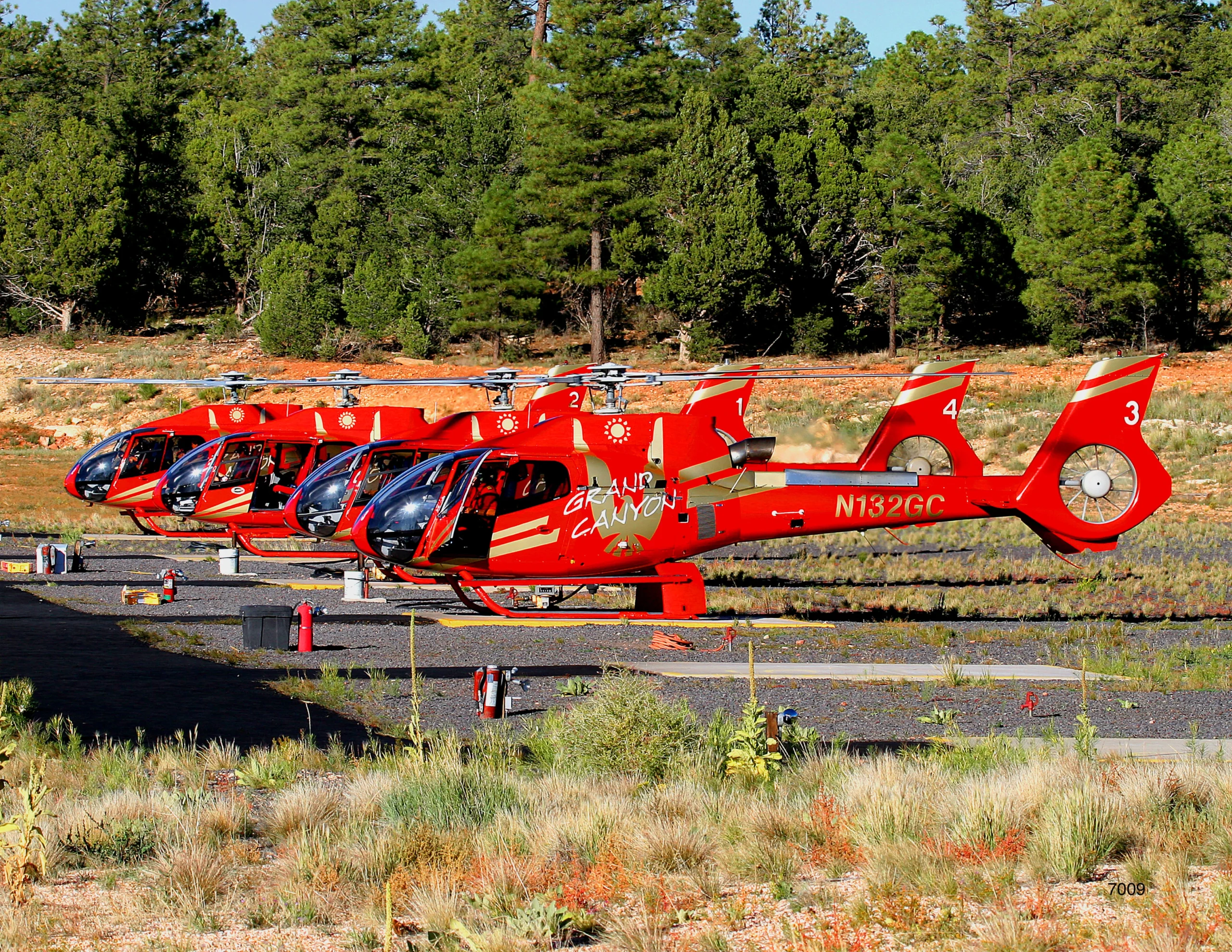
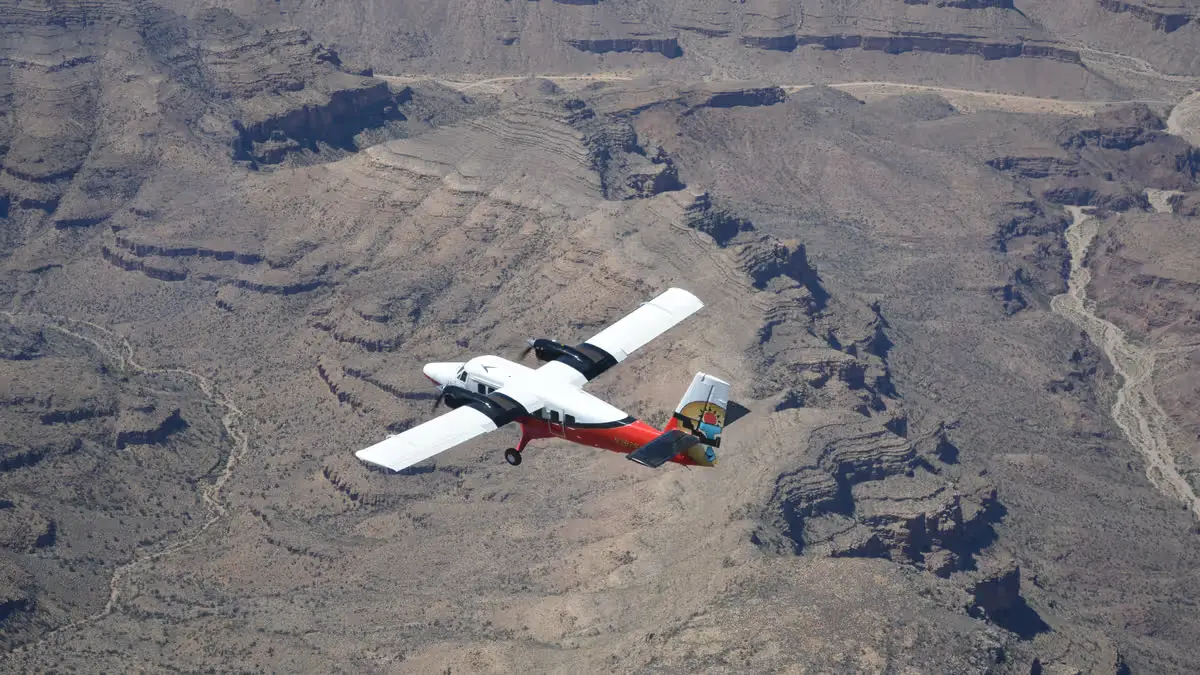
Soar above the vastness in a state-of-the-art helicopter or fixed-wing aircraft, accessing viewpoints impossible to reach on foot and witnessing the canyon’s full scale from an eagle’s perspective. Air tours require no permits, no physical conditioning, and no lottery—just reserve your spot and show up. Flights range from 30-minute rim tours to extended journeys over the North Rim, Dragon Corridor, and remote backcountry areas. This option particularly suits travelers with limited time, mobility considerations, or those seeking a truly unique vantage point. Pricing typically ranges from $300-600 per person depending on flight duration and route.
Commercial River Trips: Outfitter Handles Permits
Experience the Colorado River’s legendary rapids and tranquil pools with all permits managed by professional outfitters who hold commercial authorizations. From one-day smooth-water floats to multi-day expeditions camping on river beaches, commercial trips offer guaranteed departures without years-long lottery waits. Outfitters provide all equipment, meals prepared by river-trained chefs, expert guides with intimate canyon knowledge, and comprehensive safety protocols. You focus entirely on the experience—watching canyon walls tower overhead, running thrilling rapids, hiking to hidden waterfalls, and sleeping under impossibly starry skies.
Multi-Day Tours with Lodging: No Camping Permits
Multi-day tour packages combine guided activities with comfortable lodge or hotel accommodations, eliminating backcountry camping permits entirely. These packages typically include transportation, lodging, some meals, guided tours or activities, and park entrance fees in one convenient price. You’ll explore multiple viewpoints, hike select trails with knowledgeable guides, and return each evening to a real bed, hot shower, and excellent dining—perfect for those who want comprehensive canyon experiences without camping logistics.
Comments
2 responses to “Grand Canyon Entrance Fees and Permits: Complete 2026 Guide”
-
Why is it so costly for a Canadian to visit your national park? It works out to $135 Can. per person.
-
Hi Peter,
You’re right to question it — and we’ll be honest: it’s not a policy we agree with either. Canadians have long been some of the Grand Canyon’s most loyal visitors, and this fee puts an unnecessary barrier between you and one of North America’s greatest landmarks.
A practical tip: the Non-Resident America the Beautiful Annual Pass (USD $250) covers you plus up to 3 additional adults for 12 months across all 11 affected parks. If you’re planning to visit more than one — or travelling with family — it quickly becomes the smarter option over paying $100 per person each time.
You can grab it online before your trip at recreation.gov.
We hope it doesn’t stop you from making the trip — the canyon doesn’t disappoint. 🇨🇦
-




Leave a Reply